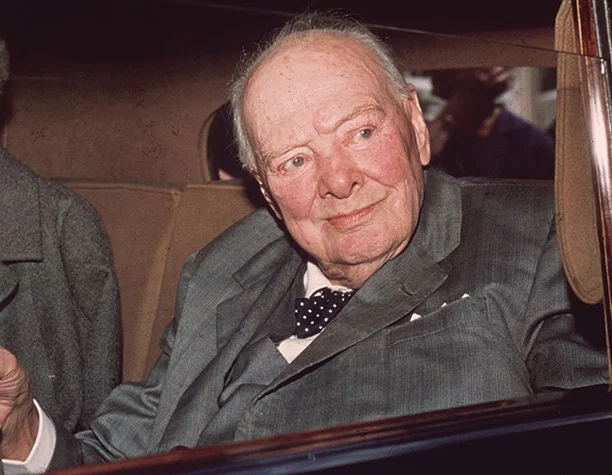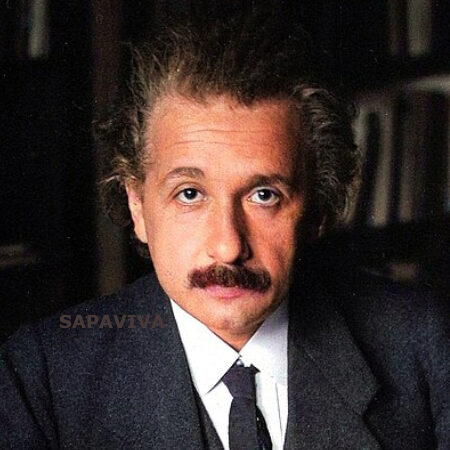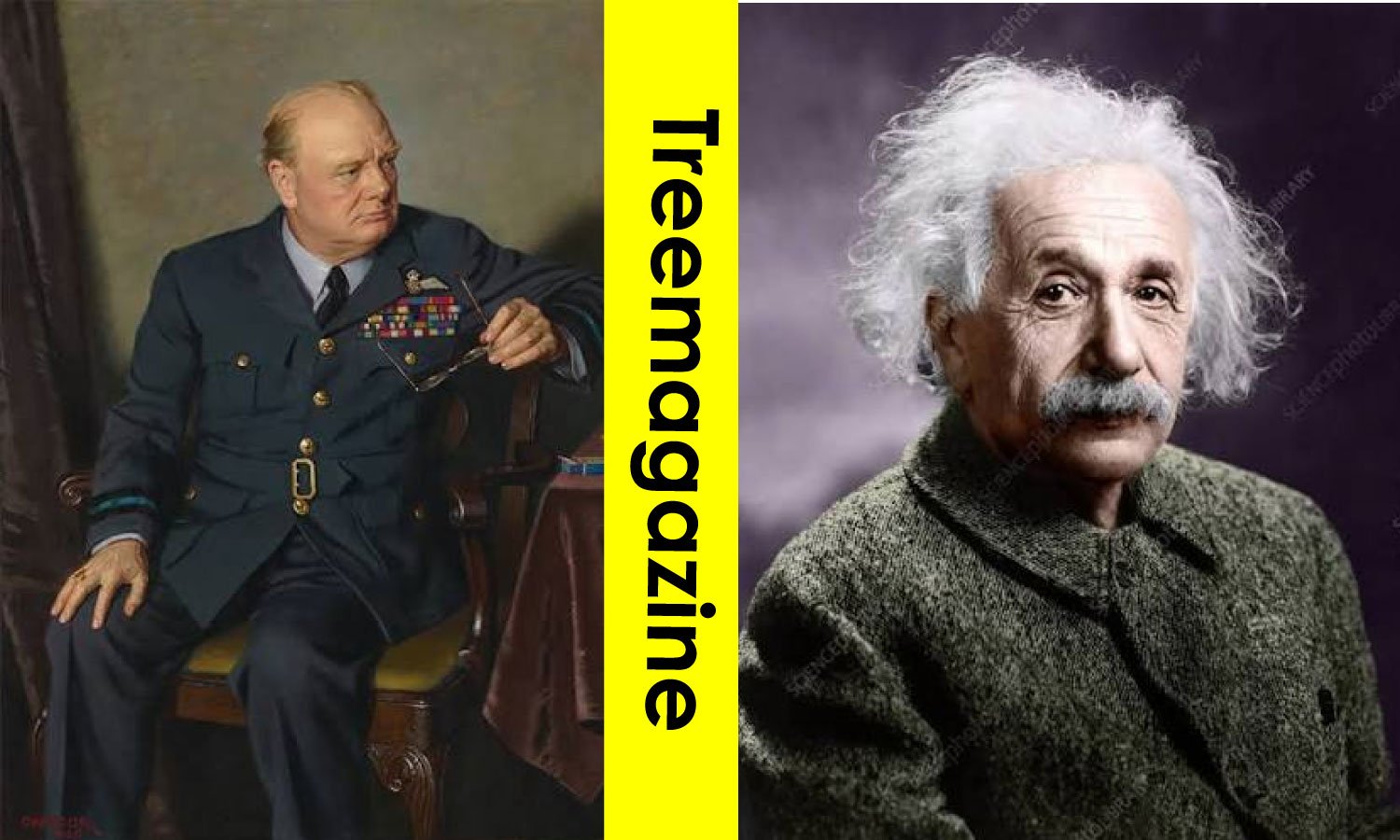
Winston Churchill and Albert Einstein became two of the most recognizable figures of the 20th century, but their achievements came from very different worlds. Churchill shaped modern history through politics, military service, writing and wartime leadership, while Einstein transformed scientific thinking through revolutionary theories of physics. Both were prolific writers and internationally celebrated figures. Churchill received the 1953 Nobel Prize in Literature, while Einstein received the 1921 Nobel Prize in Physics for his work on the photoelectric effect.
Winston Churchill and Albert Einstein Quick Bio
| Category | Winston Churchill | Albert Einstein |
|---|---|---|
| Full Name | Sir Winston Leonard Spencer Churchill | Albert Einstein |
| Date of Birth | November 30, 1874 | March 14, 1879 |
| Net Worth / Estate | Historical estimates vary; no reliably established modern net-worth figure. His estate included substantial investments and inherited assets; contemporary records show significant capital holdings. | No reliable modern net-worth figure. Historical wealth estimates are not sufficiently documented to state a precise modern amount. |
| Age | 90 years old at death in 1965 | 76 years old at death in 1955 |
| Birthplace | Blenheim Palace, Oxfordshire, England | Ulm, Württemberg, Germany |
| Nationality | British | German-born; later Swiss and American citizen |
| Profession | Politician, statesman, military officer, writer, historian and artist | Theoretical physicist, professor, scientist and author |
| Famous For | British Prime Minister, World War II leadership, political speeches, historical writing and statesmanship | Theory of relativity, E=mc², photoelectric effect and contributions to modern physics |
| Height | Around 5 ft 6 in (168 cm) — commonly reported historical measurement | Around 5 ft 9 in (175 cm) — his 1923 passport recorded 175 cm |
| Weight | Historical exact weight is not consistently documented | Historical exact weight is not reliably documented |
| Hair Color | Brown in younger years; later gray/white | Dark/brown in younger years; later gray/white |
| Eye Color | Commonly reported as blue | Brown — recorded in his 1923 passport |
| Nickname | Winnie was commonly used by family and associates | “Einstein” was his commonly used name; no consistently documented personal nickname |
| Parents | Lord Randolph Churchill and Jennie Jerome (Lady Randolph Churchill) | Hermann Einstein and Pauline Koch Einstein |
| Siblings | One younger brother, John Strange Spencer-Churchill (Jack) | One younger sister, Maria “Maja” Einstein |
| Education | St. George’s School, Brunswick School, Harrow School and Royal Military College Sandhurst | Aargau Cantonal School, Swiss Federal Polytechnic School in Zurich and University of Zurich |
| Academic Qualification | Royal Military College Sandhurst graduate | Teaching diploma in mathematics and physics; PhD from the University of Zurich |
| Military Career | Served in the British Army, including campaigns in India, Sudan and the Boer War | No military career |
| Political Career | Member of Parliament for around 60 years; Prime Minister twice | No political office |
| Prime Minister | 1940–1945 and 1951–1955 | Not applicable |
| Major Historical Role | Led Britain during much of World War II and helped shape Allied strategy | Revolutionized scientific understanding of space, time, gravity and energy |
| Nobel Prize | 1953 Nobel Prize in Literature for historical and biographical writing | 1921 Nobel Prize in Physics, particularly for the law of the photoelectric effect |
| Major Works | The Second World War, A History of the English-Speaking Peoples, The World Crisis and numerous speeches | 1905 relativity papers, general relativity, photoelectric-effect research and numerous scientific papers |
| Writing Career | Highly successful author and journalist, publishing extensively throughout his life | Prolific scientific and philosophical writer |
| Hobbies | Painting, writing, reading, polo, hunting, fishing, horse racing and farming | Violin, sailing, walking, reading and music |
| Marital Status | Married | Married twice |
| Wife | Clementine Hozier Churchill, married in 1908 | Mileva Marić (1903–1919) and Elsa Löwenthal (1919–1936) |
| Children | Five children: Diana, Randolph, Sarah, Marigold and Mary | Three children: Lieserl, Hans Albert and Eduard |
| Family | Member of the Spencer-Churchill family and descendant of the Dukes of Marlborough | Son of Hermann and Pauline Einstein; brother of Maja |
| Famous Quote / Speech Legacy | Known for powerful wartime speeches and political oratory | Known for memorable writings and statements on science, philosophy, peace and humanity |
| Major Career Beginning | Military and journalism career in the 1890s | Scientific career developed in the early 1900s, especially during his Swiss Patent Office years |
| 1905 Significance | Already an established military veteran, journalist and politician | Published groundbreaking papers that transformed physics |
| Later Life | Continued writing, painting and public life after leaving the premiership | Continued scientific and intellectual work at the Institute for Advanced Study in Princeton |
| Death Date | January 24, 1965 | April 18, 1955 |
| Place of Death | London, England | Princeton, New Jersey, USA |
| Age at Death | 90 | 76 |
| No personal account — historical figure who died before social media existed | No personal account — died in 1955, decades before Instagram | |
| Legacy | Remembered as a major British statesman, wartime leader, author and orator | Remembered as one of the most influential physicists of the modern era |
| Historical Recognition | Frequently studied for his role in British and World War II history | Widely recognized for changing the understanding of space, time, gravity and energy |
Winston Churchill and Albert Einstein Images